


The quick answer
What can a small business do to improve citation readiness?
Publish an accessible page that answers a real question, attributes its facts and makes the source of each important claim clear. Ensure the page can be discovered under each platform’s current rules. Generative engine optimisation, or GEO, describes work that helps search systems understand and retrieve useful material. Citation depends on the system, query and available evidence.
Start with a page worth citing
Pick a question where you have more to say than a generic definition. A website-cost guide can separate build work, subscriptions and support, show a dated worked example and link to suppliers’ own published rates. An agency case study can explain the actual brief, what changed and the boundaries of the evidence. Make the author and review date visible. Use a clearly labelled illustrative example when you lack a documented client result.
Put the evidence close to the claim
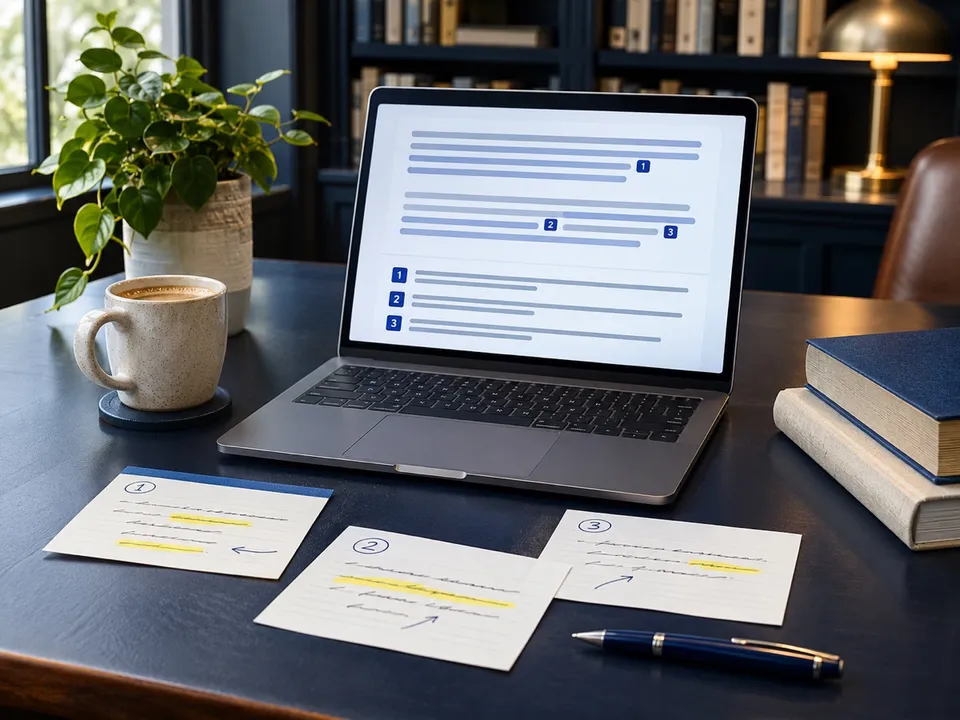
Lead with a short direct answer. Explain assumptions before a comparison table. Distinguish platform policy, supplier pricing and your own judgement. Link a claim to a primary source near the wording it supports. Keep core information in normal page text, even when screenshots or a calculator help. A screenshot of a table adds context but the headings and values should also be readable by visitors and crawlers as text.
Check eligibility where it matters
Google’s guidance treats standard search requirements as the foundation for its AI features. Check the indexed page and snippet eligibility, then review Google’s current guidance and Search Console inclusion settings as applicable. For ChatGPT Search, OpenAI documents how its search crawler discovers content. Check the relevant bot rules and host settings before diagnosing a content issue. Draft and private pages should retain their access restrictions.
| Check | Evidence to record |
|---|---|
| The article can be found | Public URL, internal links, and search inspection where available |
| The answer is readable | A visit to the page shows the claim and source as text |
| The business facts agree | Consistent services, contact details and project attribution |
| A platform cites the page | Prompt, test date, visible citation and its exact destination |
Run a small, repeatable citation check
Start with a handful of real, non-branded questions that match the page. Record which sources the system shows and open the source links. Note whether the cited material actually supports the answer. Include date, product and the type of result so a later check has context. Check again after a material update. Referral visits and enquiries can be worth recording alongside citations, but an answer that mentions a business may produce no click.
Common questions
Is there a special AI schema I need?
Use structured data to describe the page truthfully where supported. Google’s eligibility guidance relies on search fundamentals and does not offer a schema that guarantees AI placement.
Can I get an AI search score of 100%?
A vendor score reflects that vendor’s tests and scoring method. Use results to identify specific gaps and report observed citations and qualified visits separately.
What should I update first?
Correct unsupported claims, stale facts and inaccessible body content before adding another page or a new reporting tool.